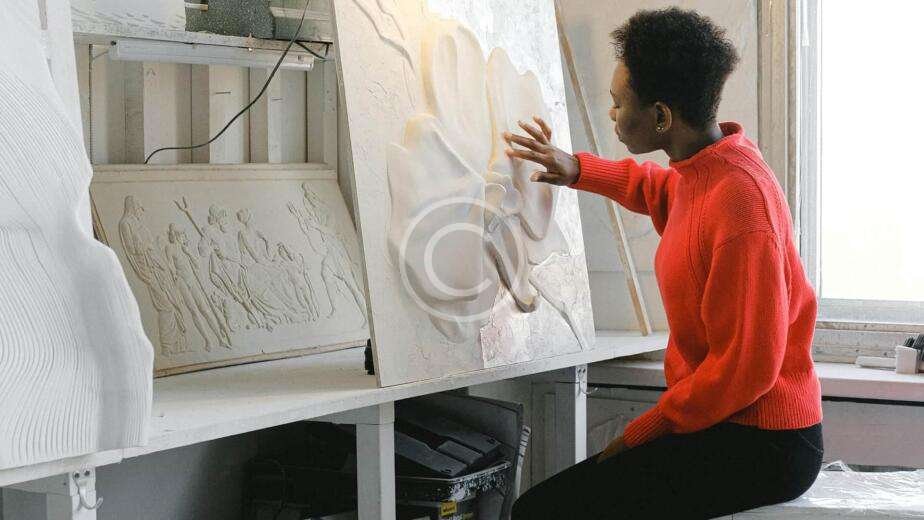












Art appreciation is more than just a visual experience; it’s a complex psychological process. When we stand before a masterpiece, our brains engage in a dance of pattern recognition and emotional resonance. This “aesthetic experience” triggers the release of dopamine, similar to the feeling of falling in love or listening to your favorite music.
The Mirror Neuron Effect
One fascinating aspect of art psychology is the role of mirror neurons. When we observe the brushstrokes of a painting, our brains subconsciously simulate the physical movement of the artist. This creates a deep, empathetic connection between the creator and the viewer, allowing us to “feel” the energy and intention behind the work, even centuries later.
Cognitive Stimulation in Galleries
Beyond emotion, art challenges our cognitive flexibility. Abstract works, in particular, force the brain to resolve ambiguity, which strengthens neural pathways associated with problem-solving and creative thinking. By regularly exposing ourselves to new and challenging art, we are essentially giving our brains a high-intensity workout that improves mental agility.